
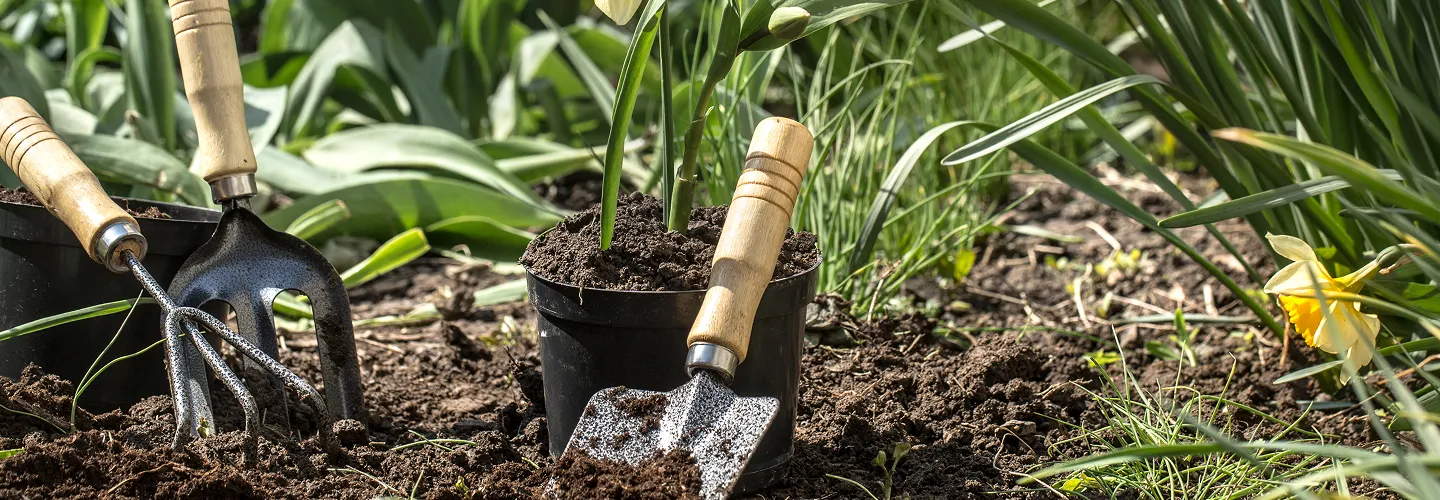
Three Oaks Flower Bed Maintenance Services
Choose our Flower Bed Maintenance for expert care that keeps your garden healthy, beautiful, and weed-free—so you can enjoy stunning blooms without the hassle.
Get a Free QuoteOur Three Oaks Landscaping & Yard Care Services
When to Schedule Flower Bed Maintenance in Three Oaks, Florida – Seasonal Guide
In Three Oaks, Florida, the timing of flower bed maintenance is closely tied to our unique subtropical climate and the specific needs of local landscapes. With mild winters and hot, humid summers, the best periods for comprehensive flower bed care are typically late winter through early spring and again in early fall. These windows allow for planting, mulching, and pruning before the intense summer heat or after the risk of frost has passed. Neighborhoods near Three Oaks Park and along Cypress Lake Drive often experience microclimates due to varying shade coverage and proximity to water features, which can influence the ideal maintenance schedule.
Local environmental factors such as our sandy soils, high humidity, and occasional drought conditions play a significant role in determining when and how to maintain flower beds. For example, areas with dense tree canopies, like those near the Estero River, may require more frequent debris removal and soil amendments. It's also important to consider municipal guidelines and seasonal precipitation patterns, which can affect both the timing and methods of maintenance. For more information on local environmental resources, visit the Town of Sudbury's website.
Local Factors to Consider for Flower Bed Maintenance in Three Oaks
- Tree density and shade coverage (especially in neighborhoods near Three Oaks Parkway)
- Soil type and drainage, with sandy soils requiring specific amendments
- Seasonal precipitation and drought risk
- Local frost dates and temperature fluctuations
- Municipal restrictions or guidelines on landscaping practices
- Proximity to water features or wetlands
- Terrain and slope, which can impact erosion and runoff
Benefits of Flower Bed Maintenance in Three Oaks
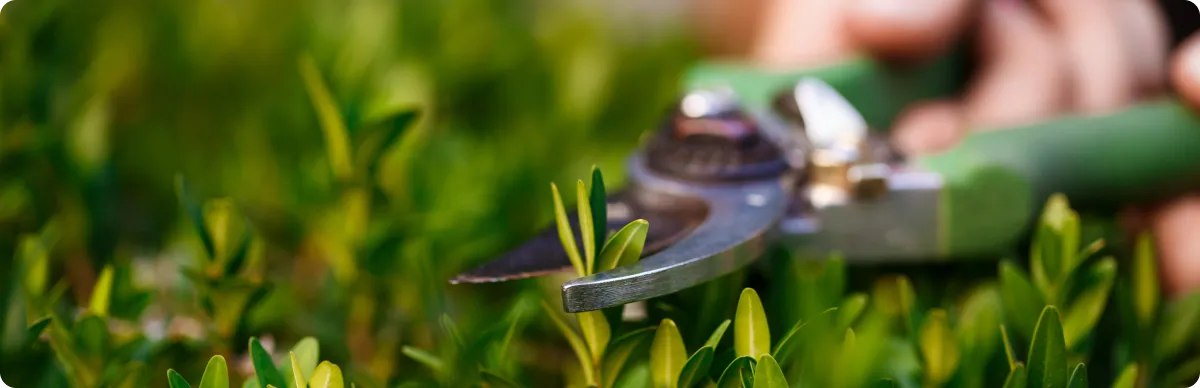
Enhanced Curb Appeal
Weed and Pest Control
Healthier Plants
Seasonal Color Management
Professional Expertise
Time and Effort Savings
Three Oaks Flower Bed Maintenance Types

Seasonal Flower Planting
-
Weed Control Services
-
Mulching and Soil Conditioning
-
Pruning and Deadheading
-
Fertilization Programs
-
Pest and Disease Management
-
Edging and Bed Redefining
Our Flower Bed Maintenance Process
Site Evaluation
Weed Removal
Soil Cultivation
Mulching
Plant Health Inspection
Why Choose Three Oaks Landscape Services
-
Three Oaks Homeowners Trust Us
-
Expert Lawn Maintenance
-
Reliable Seasonal Cleanup
-
Professional Team
-
Competitive Pricing
-
Personalized Service
-
Satisfaction Guarantee
Coordinating Flower Bed Maintenance With Lee County Programs in Three Oaks
Three Oaks is an unincorporated community in southern Lee County, meaning flower bed maintenance activities fall under county-level oversight rather than a municipal government. Residents and property managers should coordinate with Lee County departments when bed maintenance involves vegetative debris disposal, irrigation adjustments, or work near public rights-of-way, swales, or stormwater infrastructure. Lee County Parks and Recreation maintains standards for public-facing landscape areas, and those standards often inform HOA and community expectations for ornamental bed upkeep in planned developments throughout Three Oaks.
- Vegetative debris from flower bed cleanouts—including spent annuals, pulled weeds, and old mulch—must be disposed of according to Lee County's yard waste collection guidelines; verify current pickup schedules and bundling requirements through the county
- Flower bed work adjacent to swales, retention ponds, or canal easements should avoid displacing soil, mulch, or organic material into drainage pathways
- Properties on reclaimed water irrigation systems should confirm scheduling and pressure requirements with Lee County Utilities before adjusting emitter zones serving flower beds
Lee County Parks and Recreation
Official Website: Lee County Parks and Recreation
Lee County Utilities
Official Website: Lee County Utilities
How Three Oaks's Subtropical Climate and Sandy Soils Shape Flower Bed Performance
Three Oaks sits within USDA Hardiness Zone 10a, placing it firmly in the South Florida subtropical corridor where year-round warmth supports continuous planting cycles but also introduces persistent environmental pressures on ornamental beds. Understanding these local conditions is essential for maintaining healthy, productive flower beds.
- Heat and humidity: Summer temperatures routinely exceed 90°F with high humidity, accelerating organic mulch decomposition, increasing fungal pressure on bedding plants, and stressing shallow-rooted annuals. Beds in full western or southern exposure are especially vulnerable to heat scorch and rapid soil moisture loss.
- Sandy, low-retention soils: Much of Three Oaks was developed on sandy fill and naturally occurring fine sands with limited organic content. These soils drain quickly, leach nutrients rapidly, and require consistent mulch cover and irrigation to sustain flower bed plantings. The USDA Web Soil Survey can help identify specific soil series on individual parcels.
- Wet-season saturation: From June through October, heavy afternoon thunderstorms can saturate beds, wash away loose mulch, and promote root rot in poorly drained installations. Beds near retention ponds, swales, or low-lying areas may experience periodic standing water.
- Salt exposure: Properties closer to Estero Bay or coastal corridors may experience salt drift, which limits species selection and increases leaf burn on sensitive ornamentals.
Navigating Lee County's Regulatory Framework for Flower Bed Maintenance in Three Oaks
Flower bed maintenance in Three Oaks must comply with several layers of county and state regulation, particularly regarding stormwater protection, pesticide use, and fertilizer application. Lee County enforces a fertilizer ordinance that restricts nitrogen and phosphorus application during the summer rainy season; property owners and service providers should verify the current blackout period and application rates through the county before fertilizing beds. This ordinance aligns with the framework established under Florida Statutes §403.9337, which governs Florida-Friendly fertilizer use on urban landscapes.
- Any commercial application of pesticides or herbicides within flower beds requires proper licensing through the Florida Department of Agriculture and Consumer Services
- Runoff from bed maintenance—including displaced mulch, soil amendments, and chemical residues—must not enter the county's MS4 stormwater system, consistent with the Florida DEP NPDES Stormwater Program
- Flower bed modifications that alter grade, drainage flow, or impervious surface area near rights-of-way or easements may require review through Lee County's Department of Community Development
Lee County Department of Community Development
Official Website: Lee County Department of Community Development
Timing and Methods for Flower Bed Maintenance in Three Oaks's Growing Seasons
Professional flower bed maintenance in Three Oaks follows a year-round cycle shaped by the region's two distinct seasons. The dry season (November through May) is the primary window for installing cool-season annuals such as petunias, impatiens, and snapdragons, while the wet season supports heat-tolerant species like pentas, lantana, and porterweed. Maintenance methods should reflect these seasonal shifts.
- Mulch management: Maintain organic mulch at approximately two to three inches depth. Replenish mulch in early spring before wet-season rains accelerate decomposition and displacement. Avoid piling mulch against plant stems, which promotes crown rot in humid conditions.
- Irrigation emitter checks: Inspect drip emitters and micro-sprayers monthly. Sandy soils in Three Oaks subdivisions require frequent, short irrigation cycles rather than deep soaking to prevent nutrient leaching below the root zone. The EPA WaterSense program provides guidance on efficient outdoor irrigation practices.
- Deadheading and cleanup: Remove spent blooms and decaying foliage regularly to reduce fungal inoculum and improve air circulation, which is critical during Three Oaks's humid summer months.
- Weed suppression: Apply pre-emergent barriers after bed preparation and before mulch installation. Hand-pull weeds before they set seed, particularly after summer rain events that trigger rapid weed flushes in exposed bed edges.
- Seasonal replanting: Plan two primary replanting cycles—one in October or November for cool-season color and one in April or May for warm-season heat-tolerant varieties suited to the USDA Plant Hardiness Zone 10a conditions present in Three Oaks.
What Neighborhoods Do We Serve Throughout Three Oaks, FL?
- Three Oaks: The namesake community features established residential lots with mature landscaping, where flower beds often border sidewalks and common-area swales requiring careful mulch containment and irrigation coordination.
- Grandezza: This gated golf community maintains strict HOA landscape standards, and flower bed maintenance must align with community appearance guidelines while managing beds adjacent to golf course irrigation and retention systems.
- Coconut Point: Properties near this mixed-use area often feature compact ornamental beds with high heat exposure from adjacent pavement, requiring heat-tolerant species selection and frequent mulch replenishment.
- Shadow Wood: Large estate-style lots in this community include extensive flower bed installations near preserve buffers and lake edges, where runoff control and native-compatible planting are particularly important.
- Pelican Landing: Waterfront and preserve-adjacent homesites in this community require flower bed maintenance practices that prevent mulch and soil migration into nearby canal systems and wetland buffers.
- Lighthouse Bay: This community's proximity to Estero Bay introduces salt-exposure considerations for flower bed species selection and demands salt-tolerant ornamental varieties in exposed bed locations.