
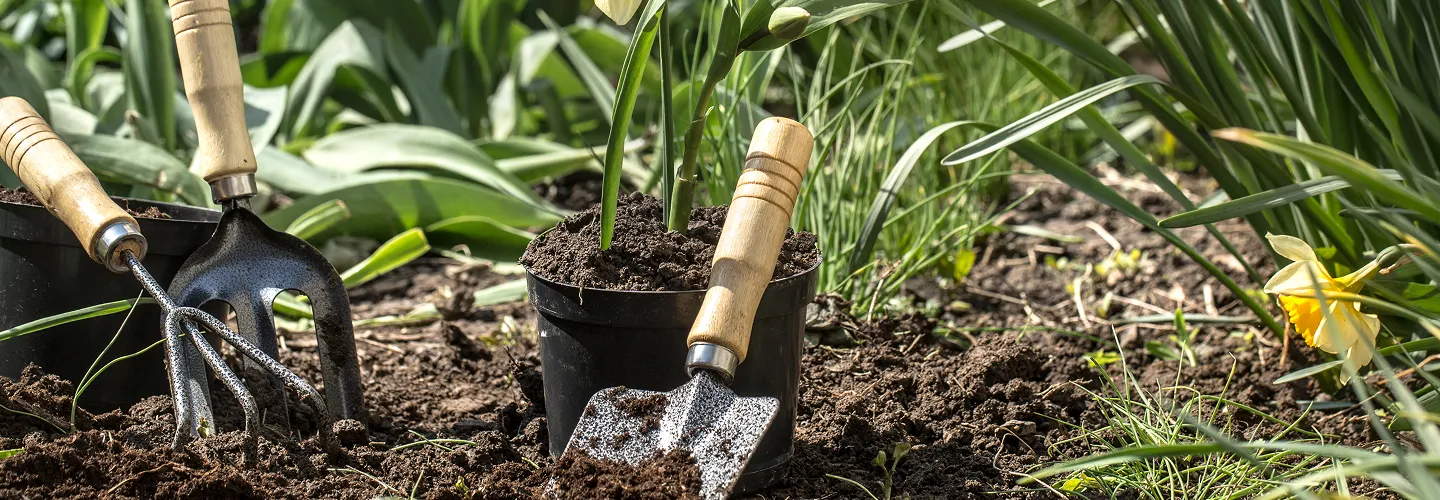
Three Oaks Green Waste Disposal Services
Choose our Green Waste Disposal for reliable, environmentally responsible service that keeps your property clean and supports a healthier planet. We make it easy to dispose of yard debris and organic waste, ensuring it’s recycled or composted with minimal impact on the environment.
Get a Free QuoteOur Three Oaks Landscaping & Yard Care Services
When to Schedule Green Waste Disposal in Three Oaks, Florida – Seasonal Guide
In Three Oaks, Florida, the best times for green waste disposal are closely tied to our unique subtropical climate and the rhythms of local landscaping needs. With warm, humid summers and mild winters, most homeowners find that late winter through early spring—just after the last frost date—offers an ideal window for clearing out yard debris, pruning, and preparing for new growth. This timing helps prevent disease and pest issues, especially in neighborhoods like Copper Oaks and The Reserve at Estero, where dense shade and rich soils can accelerate organic buildup.
During the rainy season, which typically peaks from June to September, it’s important to monitor your property for excess leaf litter and fallen branches, particularly in areas near Three Oaks Park or along the shaded trails of the Estero River. High humidity and frequent storms can increase the risk of mold and root rot, making timely green waste removal essential for maintaining healthy landscapes. For more information on local environmental guidelines, visit the Town of Sudbury’s resource page.
Local Factors to Consider for Green Waste Disposal in Three Oaks
- Tree density and types (e.g., live oaks, palms, and pines)
- Proximity to water features or wetlands
- Soil drainage and composition
- Seasonal precipitation and drought risk
- Shade coverage from mature landscaping
- Municipal collection schedules and restrictions
- Neighborhood-specific landscaping ordinances
Benefits of Green Waste Disposal in Three Oaks
Eco-Friendly Landscaping Solutions
Efficient Green Waste Removal
Promotes Healthy Plant Growth
Reduces Landfill Waste
Improves Curb Appeal
Supports Sustainable Practices
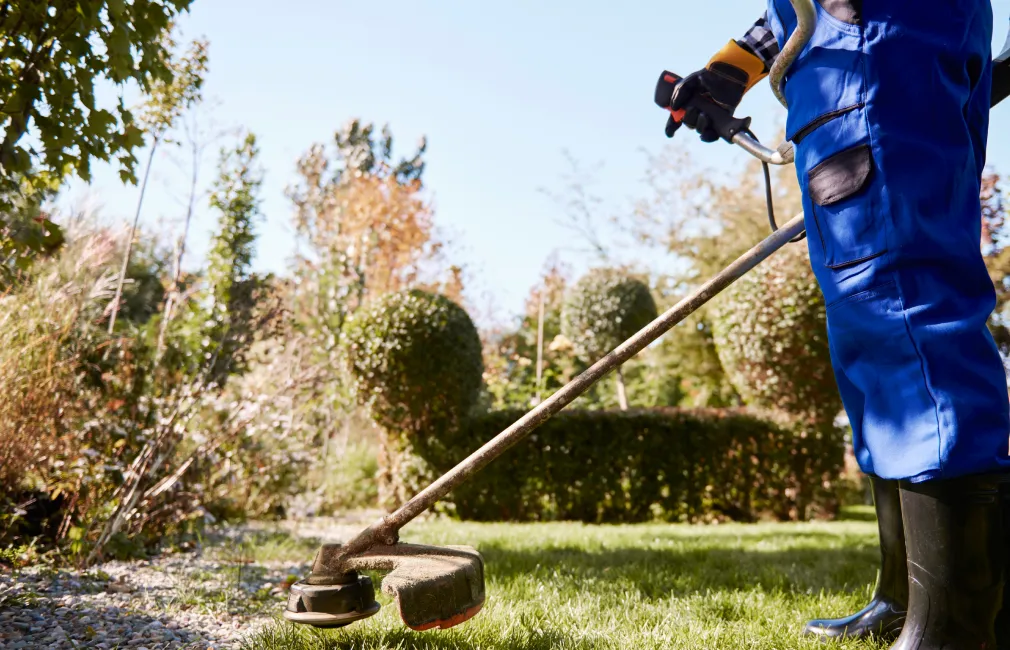
Three Oaks Green Waste Disposal Types

Grass Clippings
-
Tree Branches
-
Shrub Trimmings
-
Leaves Collection
-
Garden Weeds
-
Hedge Cuttings
-
Plant Debris
Our Green Waste Disposal Process
Collection of Green Waste
Sorting and Separation
Transport to Disposal Facility
Eco-Friendly Processing
Why Choose Three Oaks Landscape Services
-
Three Oaks Homeowners Trust Us
-
Expert Lawn Maintenance
-
Reliable Seasonal Cleanup
-
Professional Team
-
Competitive Pricing
-
Personalized Service
-
Satisfaction Guarantee
Coordinating Green Waste Disposal Through Lee County Services in Three Oaks
Three Oaks is an unincorporated community within Lee County, which means green waste disposal coordination falls under county-level departments rather than a standalone municipal program. Residents and property managers should verify current vegetative debris collection schedules, accepted materials, and container or bundling requirements directly through Lee County's solid waste division. Green waste typically includes grass clippings, leaves, palm fronds, small branches, and other organic yard debris generated during routine landscape maintenance or storm cleanup.
Key coordination steps for Three Oaks properties include:
- Confirming whether curbside vegetative debris pickup is available at the property address or whether drop-off at a county transfer station is required
- Separating green waste from household trash, construction debris, and recyclables as required by county guidelines
- Ensuring that vegetative material placed curbside does not block swales, storm-drain inlets, or canal access easements
- Contacting Lee County to confirm any size, weight, or volume limits for bundled branches and bagged yard waste
Residents should direct questions about collection logistics, missed pickups, or commercial hauling requirements to the appropriate county department.
Lee County Government
2115 Second Street, Fort Myers, FL 33901
Official Website: Lee County Government
How Three Oaks's Subtropical Climate Shapes Green Waste Volume and Timing
Three Oaks sits within USDA Hardiness Zone 10b, placing it firmly in Southwest Florida's subtropical coastal climate. This classification drives year-round vegetative growth and, consequently, a persistent green waste stream that differs substantially from seasonal patterns seen in northern or central Florida communities. Several local environmental conditions directly affect disposal planning:
- Extended wet season (June through October): Intense afternoon rainfall accelerates turf growth, palm frond drop, and broadleaf weed proliferation, producing peak green waste volumes during summer and early fall months.
- Sandy, poorly drained soils: Much of Three Oaks is underlain by sandy flatwoods and fill soils common to Lee County subdivisions. These soils drain quickly at the surface but can become saturated during heavy rain events, causing yard debris to collect in low-lying swale areas and retention zones.
- High water table: Shallow groundwater levels throughout the area mean that organic debris left on the ground surface can decompose into nutrient-laden runoff that reaches nearby canals, retention ponds, and stormwater conveyances relatively quickly.
- Humidity and heat: Sustained summer temperatures above 90°F combined with high humidity accelerate decomposition of piled green waste, creating odor and pest concerns if material is not removed promptly.
Understanding these conditions helps property owners anticipate when disposal demand will spike and why timely removal matters for both property maintenance and protecting Florida's water resources.
Navigating Lee County Regulations and Stormwater Compliance for Green Waste Disposal
Green waste disposal in Three Oaks must align with both Lee County ordinances and broader state and federal environmental protections. Property owners and service providers should be aware of the following regulatory layers:
- County code compliance: Lee County enforces property maintenance standards that prohibit accumulation of vegetative debris on residential and commercial lots. Overgrown or stockpiled yard waste may trigger code enforcement action through the county's community development process.
- Stormwater protection: Under the Florida DEP NPDES Stormwater Program and the federal Clean Water Act, green waste must not be deposited into or adjacent to stormwater conveyances, including swales, curb inlets, retention ponds, and canal banks. Decomposing organic material introduces excess nitrogen and phosphorus into waterways.
- Tree-related requirements: Properties involving removal of trees or significant vegetation as part of green waste operations should review Lee County's tree requirements documentation to determine whether environmental review applies before material is cut and disposed of.
- Commercial hauling: Contractors hauling green waste commercially should verify whether Lee County requires specific licensing, vehicle markings, or disposal facility routing for vegetative loads.
Lee County Department of Community Development
1500 Monroe Street, Fort Myers, FL 33901
Official Website: Lee County Department of Community Development
For stormwater-related concerns, EPA guidance on municipal stormwater discharges outlines the broader compliance framework that applies to Lee County's MS4 permit obligations.
Timing and Methods for Professional Green Waste Disposal in Three Oaks
Effective green waste disposal in Three Oaks requires attention to seasonal timing, material handling, and site protection. The following professional standards apply across residential and commercial properties:
- Wet-season scheduling: Schedule major cleanups and disposal runs early in the week during the June-through-October wet season to avoid material sitting through weekend rain events, which can wash loose debris into drainage systems.
- Material separation: Separate palm fronds, grass clippings, shrub trimmings, and woody branches into distinct categories. Many disposal facilities and curbside programs require that woody material be bundled or cut to specific lengths—verify current requirements with Lee County before placing material at the curb.
- Staging areas: Stage green waste on impervious surfaces or tarps rather than directly on turf or swale edges. This prevents nutrient leaching into saturated sandy soils and keeps material from migrating during afternoon storms.
- Storm debris protocols: Following tropical storms or hurricanes, Lee County may activate emergency debris collection programs with modified rules for vegetative waste. Monitor Lee County Emergency Services for post-storm guidance on staging locations, collection timelines, and prohibited materials.
- Volume management: Properties with large canopy trees such as live oaks, royal palms, or black olive trees may generate substantial debris volumes during seasonal leaf drop or storm events. Plan for multiple disposal cycles rather than allowing material to accumulate beyond manageable quantities.
Lee County Parks and Recreation
Official Website: Lee County Parks and Recreation
What Neighborhoods Do We Serve Throughout Three Oaks, FL?
- Three Oaks: The namesake community features established single-family lots with mature landscaping, including large shade trees and dense hedge lines that generate consistent green waste throughout the year.
- Stoneybrook at Gateway: This planned subdivision includes HOA-maintained common areas alongside individual lots with St. Augustinegrass turf and ornamental plantings that produce regular clipping and trimming debris.
- Shadow Wood at The Brooks: Properties here border preserve areas and retention lakes, requiring careful staging of green waste away from environmentally sensitive buffer zones during disposal operations.
- Coconut Point area: Mixed residential and commercial parcels near this corridor generate both routine landscape maintenance debris and periodic large-scale cleanout material from commercial property turnover.
- Grandezza: A gated community with manicured landscapes, palm-lined streetscapes, and lake-adjacent lots where green waste must be managed to prevent organic material from reaching stormwater retention systems.
- Pelican Landing: Waterfront and preserve-adjacent homesites in this community produce significant palm frond and tropical vegetation debris, particularly following wet-season storms and high-wind events.