
Three Oaks Plant Removal Services
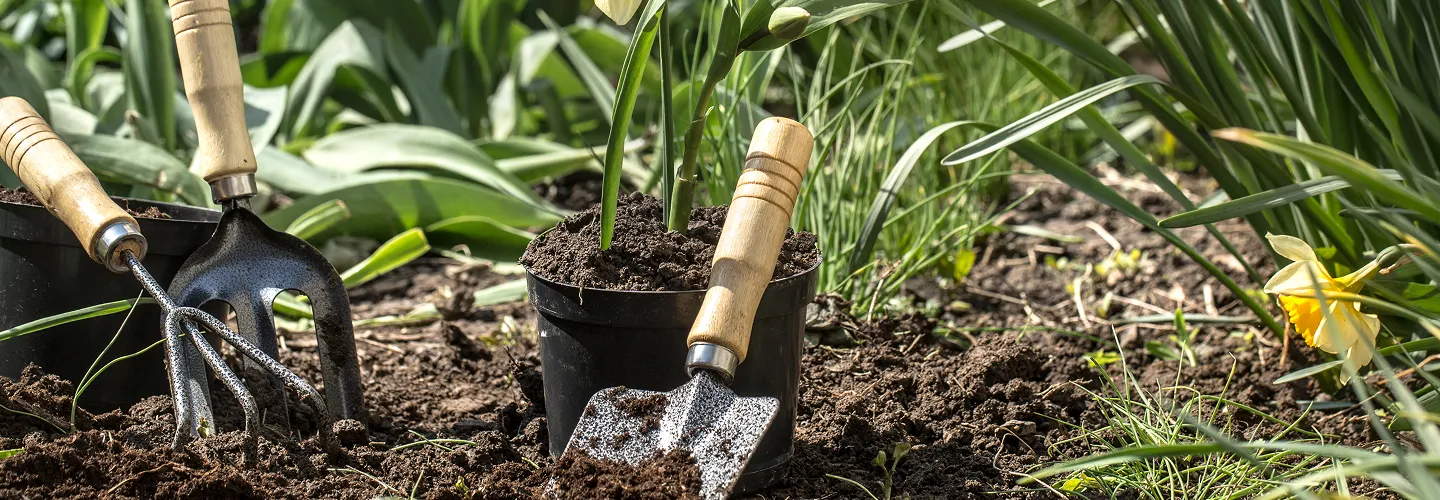
Choose our plant removal services for expert care, fast turnaround, and a commitment to leaving your property clean and ready for your next project—trust our experienced team to handle even the toughest removals with ease.
Get a Free QuoteOur Three Oaks Landscaping & Yard Care Services
When to Schedule Plant Removal in Three Oaks, Florida – Seasonal Guide
In Three Oaks, Florida, timing your plant removal is crucial for both the health of your landscape and the efficiency of the process. The region’s subtropical climate means that most plant removals are best scheduled during the cooler, drier months—typically late fall through early spring. This period avoids the peak of summer humidity and heavy rainfall, which can complicate removal efforts and increase the risk of soil erosion. Neighborhoods near Three Oaks Park and the Estero River often experience higher humidity and denser shade, making it important to consider microclimates when planning your project.
Local environmental factors such as the last frost date (usually in January), drought risk during late spring, and the sandy, well-draining soils common in areas like Copper Oaks and The Reserve at Estero all play a role in determining the best time for plant removal. Additionally, municipal guidelines and local resources can provide valuable information on seasonal restrictions and best practices for environmentally responsible removal.
Local Factors to Consider for Plant Removal in Three Oaks
- Tree and shrub density in your yard
- Terrain slope and soil composition (sandy vs. clay)
- Seasonal precipitation and risk of heavy rain
- Local frost dates and temperature fluctuations
- Shade coverage from mature trees or nearby structures
- Municipal restrictions or HOA guidelines
Benefits of Plant Removal in Three Oaks

Improved Landscape Health
Enhanced Curb Appeal
Prevention of Invasive Species
Increased Usable Space
Reduced Maintenance Needs
Professional and Efficient Service
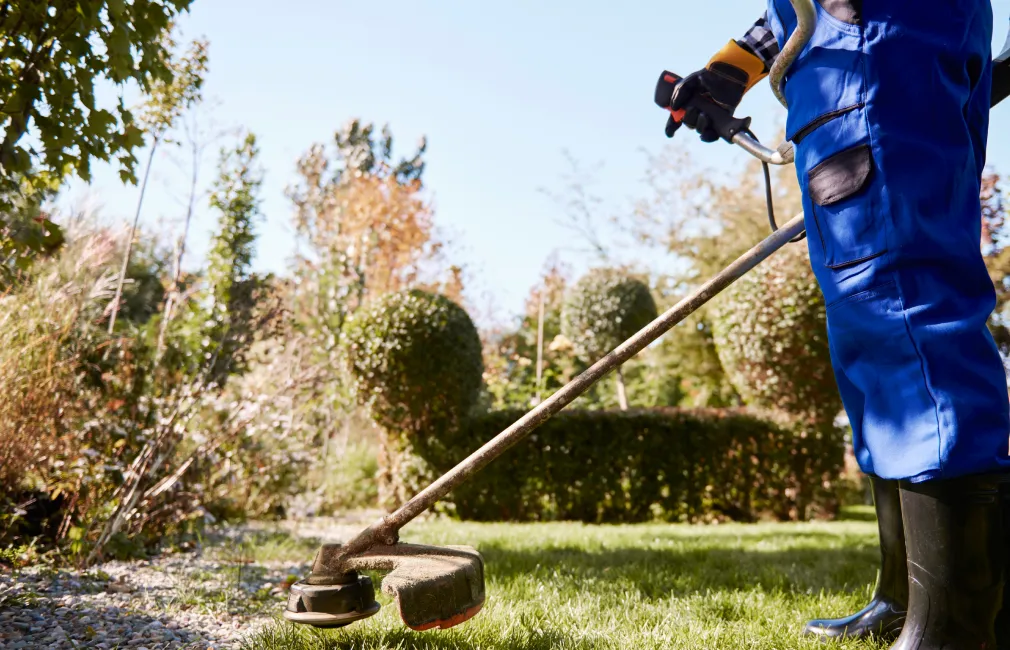
Three Oaks Plant Removal Types

Tree Stump Removal
-
Shrub and Bush Extraction
-
Invasive Species Removal
-
Root System Clearing
-
Overgrown Plant Cleanup
-
Dead Plant Disposal
-
Large Tree Uprooting
Our Plant Removal Process
Site Evaluation
Preparation and Safety Measures
Plant Uprooting
Debris Removal
Site Restoration
Why Choose Three Oaks Landscape Services
-
Three Oaks Homeowners Trust Us
-
Expert Lawn Maintenance
-
Reliable Seasonal Cleanup
-
Professional Team
-
Competitive Pricing
-
Personalized Service
-
Satisfaction Guarantee
Coordinating Plant Removal Disposal and Debris Routing Through Lee County Services
Three Oaks is an unincorporated community in Lee County, meaning plant removal projects fall under county-level oversight rather than a standalone municipal government. Residents and property managers undertaking plant removal should coordinate vegetative debris disposal through Lee County's solid waste and public works framework. Removed plant material—including root masses, shrub clusters, and ground-cover sections—must be separated from household waste and prepared according to county guidelines for curbside collection or transfer-station drop-off. Verify current bundling, container, and volume limits directly with the county before scheduling removal work, as requirements may differ for residential versus commercial properties.
- Vegetative debris must not be placed in swales, drainage ditches, canal banks, or stormwater inlets
- Root balls and soil clumps should be shaken free of excess fill before disposal staging
- Large-scale removals on commercial parcels may require coordination with the Lee County Department of Community Development for site-disturbance review
Lee County Department of Community Development
1500 Monroe Street, Fort Myers, FL 33901
Official Website: Lee County Department of Community Development
How Three Oaks's Subtropical Climate and Soils Influence Plant Removal Outcomes
Three Oaks sits within USDA Hardiness Zone 10a, experiencing a South Florida subtropical climate characterized by intense summer heat, high humidity, and a pronounced wet season from roughly June through October. These conditions directly affect plant removal logistics and site stabilization. Sandy, poorly drained soils—common across subdivisions built on fill material in southern Lee County—allow rapid root penetration but also create loose, unstable voids once root systems are extracted. The high water table, often within a few feet of the surface during wet months, can cause excavation areas to flood quickly if removal is not timed carefully.
- Root systems in sandy substrates spread laterally and may extend beneath adjacent hardscape, irrigation lines, or retention-area edges
- Wet-season removal increases the risk of soil erosion and sediment migration into nearby swales, retention ponds, and stormwater conveyance systems
- Humidity accelerates fungal colonization on exposed root wounds and disturbed soil, requiring prompt stabilization with mulch or ground cover
- Salt-tolerant species near coastal corridors may have dense, fibrous root mats that demand mechanical extraction rather than hand pulling
Navigating Lee County's Regulatory Framework for Plant Removal Compliance
Plant removal in Three Oaks must account for several layers of county and state regulation. Lee County's Land Development Code includes provisions for vegetation preservation, particularly on parcels adjacent to wetlands, preserves, or designated environmental overlay areas. Before removing established plantings—especially those that may have been installed to satisfy original site-plan landscaping requirements—property owners should confirm whether the vegetation is subject to replacement or mitigation obligations through the county's development review process. The Lee County Tree Requirements document outlines specific standards that may apply when removal affects canopy trees or required landscape buffers.
- Any use of herbicides to kill vegetation prior to removal requires a licensed applicator under FDACS Pesticide Applicator Certification
- Disturbed areas exceeding one acre may trigger NPDES stormwater permit requirements for erosion and sediment control
- Removal near canal easements or South Florida Water Management District rights-of-way may require separate authorization
Lee County Zoning
1500 Monroe Street, Fort Myers, FL 33901
Official Website: Lee County Zoning
Timing and Methods for Plant Removal in Three Oaks's Seasonal Conditions
Professional plant removal in Three Oaks should be scheduled with careful attention to seasonal moisture, heat stress, and site recovery windows. The dry season—typically November through May—offers the most stable ground conditions for extraction, hauling, and backfill work. Removing plants during the wet season is feasible but requires erosion-control measures such as silt barriers, temporary ground cover, or immediate mulching of exposed soil to prevent sediment from reaching nearby retention ponds and swales.
- Mechanical extraction is preferred for woody shrubs, large ornamental clumps, and invasive species with aggressive root systems such as Brazilian pepper or earleaf acacia
- Hand removal is appropriate for smaller ground covers, bedding plants, and shallow-rooted ornamentals where adjacent irrigation or hardscape must be protected
- Backfill material should match existing site grade and drainage flow; imported fill should be clean and free of debris or invasive seed material
- Exposed areas should be stabilized within 48 hours during the wet season to limit nutrient and sediment runoff into Florida's water resources
Lee County Parks and Recreation
Official Website: Lee County Parks and Recreation
What Neighborhoods Do We Serve Throughout Three Oaks, FL?
- Three Oaks — Mature landscaping throughout this established community often includes overgrown ornamental hedges and palms requiring periodic removal, with many lots adjacent to internal lakes and retention areas
- Cypress Cove — Canal-adjacent properties in this subdivision demand careful root extraction to avoid destabilizing swale edges and stormwater conveyance paths
- Shadow Wood — Larger estate-style lots feature dense tropical plantings where removal projects may involve significant root-zone disturbance beneath irrigation systems
- Coconut Point area — Mixed residential and commercial parcels near this corridor frequently require plant removal to maintain code-compliant landscape buffers and sight lines
- Grandezza — Gated community standards and HOA landscape requirements often govern which plants may be removed and what replacement obligations apply
- Pelican Landing — Preserve-adjacent homesites require coordination with environmental overlay provisions when removing vegetation near protected buffer zones