
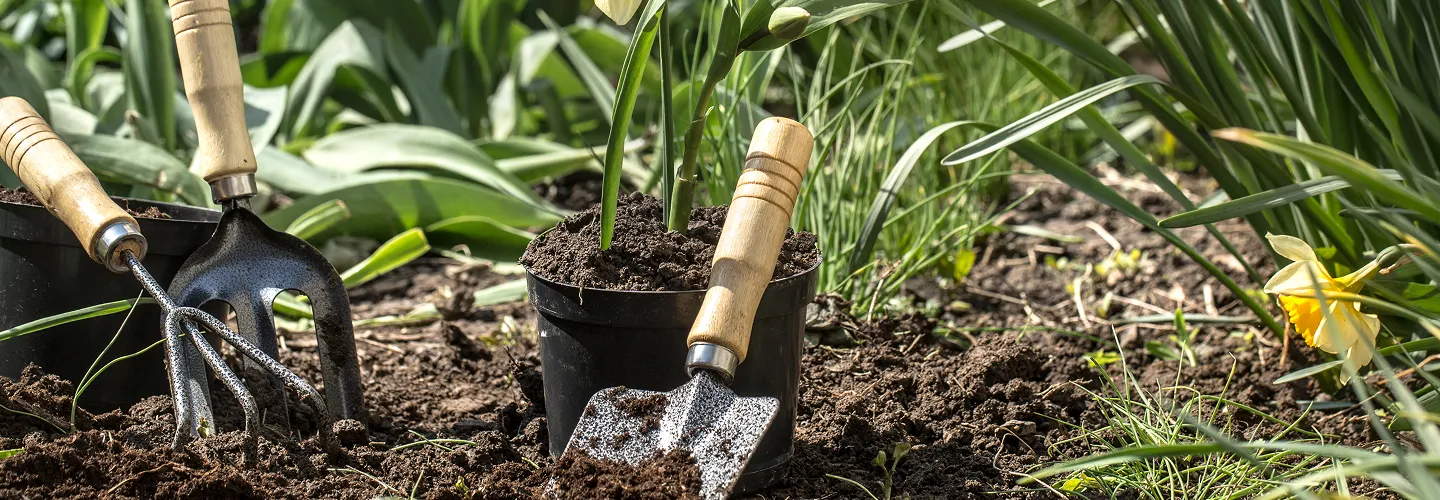
Three Oaks Flower Planting Services
Choose Three Oaks for vibrant, expertly arranged flower beds that enhance your curb appeal and thrive season after season—our experienced team ensures every planting is tailored to your soil, style, and maintenance needs.
Get a Free QuoteOur Three Oaks Landscaping & Yard Care Services
When to Schedule Flower Planting in Three Oaks, Florida – Seasonal Guide
In Three Oaks, Florida, timing your flower planting is essential for vibrant, long-lasting blooms. The region’s subtropical climate means mild winters and hot, humid summers, so the best planting windows are typically late fall through early spring. Planting during these cooler months allows roots to establish before the intense summer heat arrives. Neighborhoods near Three Oaks Park and the Shadow Wood Preserve often benefit from slightly varied microclimates, so it’s important to consider your specific location.
Local environmental factors play a significant role in determining the optimal planting schedule. For example, the last frost date in Three Oaks usually falls in early February, making late winter ideal for most annuals and perennials. Areas with dense shade from mature oaks or proximity to the Estero River may require adjustments in plant selection and timing. Soil in Three Oaks tends to be sandy and well-draining, but some pockets—especially near Sudbury Park—may retain more moisture, impacting both plant choice and watering needs.
Local Factors to Consider for Flower Planting in Three Oaks
- Tree density and shade coverage in your yard
- Soil type and drainage, especially in neighborhoods near the Estero River
- Average precipitation and risk of drought during late spring and summer
- Municipal watering restrictions or HOA guidelines
- Terrain variations, such as low-lying or flood-prone areas
Benefits of Flower Planting in Three Oaks
Enhanced Curb Appeal
Increased Property Value
Seasonal Color Variety
Improved Air Quality
Attracts Pollinators
Low Maintenance Options
Three Oaks Flower Planting Types

Perennial Flower Beds
-
Annual Flower Displays
-
Native Wildflower Gardens
-
Seasonal Bulb Plantings
-
Pollinator-Friendly Gardens
-
Shade Garden Plantings
-
Container Flower Arrangements
Our Flower Planting Process
Site Evaluation
Soil Preparation
Flower Selection
Planting
Watering and Mulching
Why Choose Three Oaks Landscape Services
-
Three Oaks Homeowners Trust Us
-
Expert Lawn Maintenance
-
Reliable Seasonal Cleanup
-
Professional Team
-
Competitive Pricing
-
Personalized Service
-
Satisfaction Guarantee
Coordinating Flower Planting Projects Through Lee County Development and Parks Departments
Three Oaks is an unincorporated community in Lee County, meaning flower planting projects on residential and commercial properties fall under county-level oversight rather than a municipal government. Property owners and managers planning flower installations—particularly those involving bed construction near rights-of-way, swales, or retention areas—should coordinate with Lee County's Department of Community Development for site-related guidance. Projects that alter grading, redirect drainage, or modify landscaping within common areas of planned developments may require review to ensure compliance with the community's approved site plan.
- Flower bed construction near county-maintained swales or drainage easements should be reviewed for potential conflicts with stormwater flow
- Properties adjacent to parks or greenway corridors should verify setback and planting restrictions through Lee County Parks and Recreation
- HOA-governed communities in Three Oaks may impose additional species, color, or placement requirements beyond county standards
Lee County Department of Community Development
1500 Monroe Street, Fort Myers, FL 33901
Official Website: Lee County Department of Community Development
Lee County Parks and Recreation
3410 Palm Beach Boulevard, Fort Myers, FL 33916
Official Website: Lee County Parks and Recreation
How Three Oaks's Subtropical Climate and Sandy Soils Shape Flower Planting Success
Three Oaks sits within USDA Hardiness Zone 10b, placing it firmly in the South Florida subtropical corridor where heat, humidity, and seasonal rainfall patterns dictate flower planting outcomes. The area's soils are predominantly sandy and fast-draining, which affects nutrient retention and root-zone moisture. According to the USDA Web Soil Survey, much of southern Lee County features Immokalee and Oldsmar fine sands—soils with limited organic content and rapid percolation that require amendment for most ornamental plantings.
- High water table: Seasonal water table elevation during the wet season (June through October) can saturate root zones, making raised beds or well-drained planting areas essential for species sensitive to standing moisture
- Nutrient leaching: Sandy soils allow nitrogen and phosphorus to move quickly through the profile, increasing the risk of nutrient runoff into nearby retention ponds, swales, and canal systems
- Heat and humidity stress: Summer temperatures regularly exceed 90°F with humidity above 80%, favoring heat-tolerant species such as pentas, lantana, firebush, plumbago, and blanket flower over temperate annuals
- Salt exposure: Properties closer to Estero Bay or tidal influence zones may experience salt drift, narrowing the viable planting palette to salt-tolerant selections
Navigating Lee County Regulations and Environmental Compliance for Flower Planting
Flower planting in Three Oaks must account for several regulatory layers. Lee County's Land Development Code addresses landscaping standards for commercial properties, multi-family developments, and planned communities, including species diversity requirements and minimum planting sizes. Residents should verify current zoning provisions through Lee County Zoning before modifying front-yard or common-area plantings in ways that could conflict with approved landscape plans.
- Any soil amendment, fertilizer, or pest-control product applied during flower bed preparation must comply with Florida Statutes §403.9337, which establishes the model ordinance for Florida-Friendly fertilizer use on urban landscapes
- Pesticide or herbicide applications in flower beds require proper licensing through the Florida Department of Agriculture and Consumer Services when performed commercially
- Flower plantings adjacent to stormwater retention ponds, canal banks, or drainage easements must not introduce soil, mulch, or chemical runoff into those systems, consistent with the Florida DEP NPDES Stormwater Program
- Irrigation for newly planted beds must follow South Florida Water Management District watering restrictions; verify current schedules through Lee County Utilities
Lee County Utilities
Official Website: Lee County Utilities
Timing and Methods for Flower Planting in Three Oaks's Wet and Dry Seasons
Professional flower planting in Three Oaks follows seasonal windows shaped by the region's distinct wet and dry periods. The dry season (November through May) offers the most controlled planting conditions, with lower fungal pressure and predictable irrigation needs. Wet-season planting (June through October) is feasible but demands careful species selection and drainage planning to prevent root rot and washout.
- Soil preparation: Amend sandy native soils with composted organic matter to improve moisture retention and nutrient-holding capacity; target a bed depth of at least eight to twelve inches for most ornamental species
- Irrigation setup: Install drip emitters or micro-spray heads before planting to ensure uniform coverage and reduce water waste, consistent with EPA WaterSense outdoor efficiency guidance
- Mulch application: Apply two to three inches of organic mulch around plantings to moderate soil temperature, suppress weeds, and reduce evaporation—avoid piling mulch against stems
- Species selection: Choose plants rated for USDA Hardiness Zone 10b and verified for heat, humidity, and pest tolerance in South Florida; native and Florida-Friendly species reduce long-term irrigation and chemical inputs
- Post-planting monitoring: Water newly installed flowers daily for the first one to two weeks, then taper to the applicable watering schedule; inspect for signs of transplant shock, fungal infection, or pest damage within the first thirty days
What Neighborhoods Do We Serve Throughout Three Oaks, FL?
- Three Oaks: The namesake community features established residential lots with mature landscaping, retention pond adjacency, and HOA-managed common areas that often specify approved flower species and bed placement
- Grandezza: This gated golf-course community includes irrigated common areas and individual lots where flower planting must coordinate with existing landscape plans and preserve buffer zones
- Coconut Point: Properties near this mixed-use area encounter higher reflected heat from adjacent commercial hardscape, requiring heat-tolerant flower selections and efficient irrigation design
- Pelican Landing: A large planned community with extensive lake and preserve frontage where flower bed installations near waterways must protect against nutrient runoff and soil erosion
- Shadow Wood at The Brooks: Golf-course and preserve-adjacent homesites with mature canopy cover that influences sun exposure and species suitability for flower plantings
- Estero Place: Smaller residential lots with limited planting space where compact flower beds and container plantings are common, and drainage toward shared swales requires careful bed grading